Every catalogue article at BILSTEIN is the result of an intensive development process that meets OE standards
Products in aftermarket catalogues are often little more than an article number. An assignment. A spare part. At BILSTEIN, each of these products is backed by a complete development process. Matthias Becker, team leader for product development catalogues at BILSTEIN, gave us an in-depth look at his work and explained why there is much more to some applications than even many professionals would suspect.
Matthias Becker is responsible for ensuring that every performance product that appears in the aftermarket catalogue has been developed, tested and validated beforehand. Having worked in suspension development at BILSTEIN for many years, Matthias Becker knows the product journey from initial concept to series approval like no other.
600 ongoing projects – parallel and structured
The scale of the work that Matthias Becker and his team deal with every day becomes clear when you take a look at their daily development routine: the team manages around 600 projects in parallel. Twelve employees work on new applications in Ennepetal, with each developer responsible for ten to fifteen vehicles at the same time.
The goal is ambitious: to bring new products to market within six months if possible. In practice, it often takes longer. Because quality takes time.
At BILSTEIN, an aftermarket product is not created by configuring existing components. It is developed.
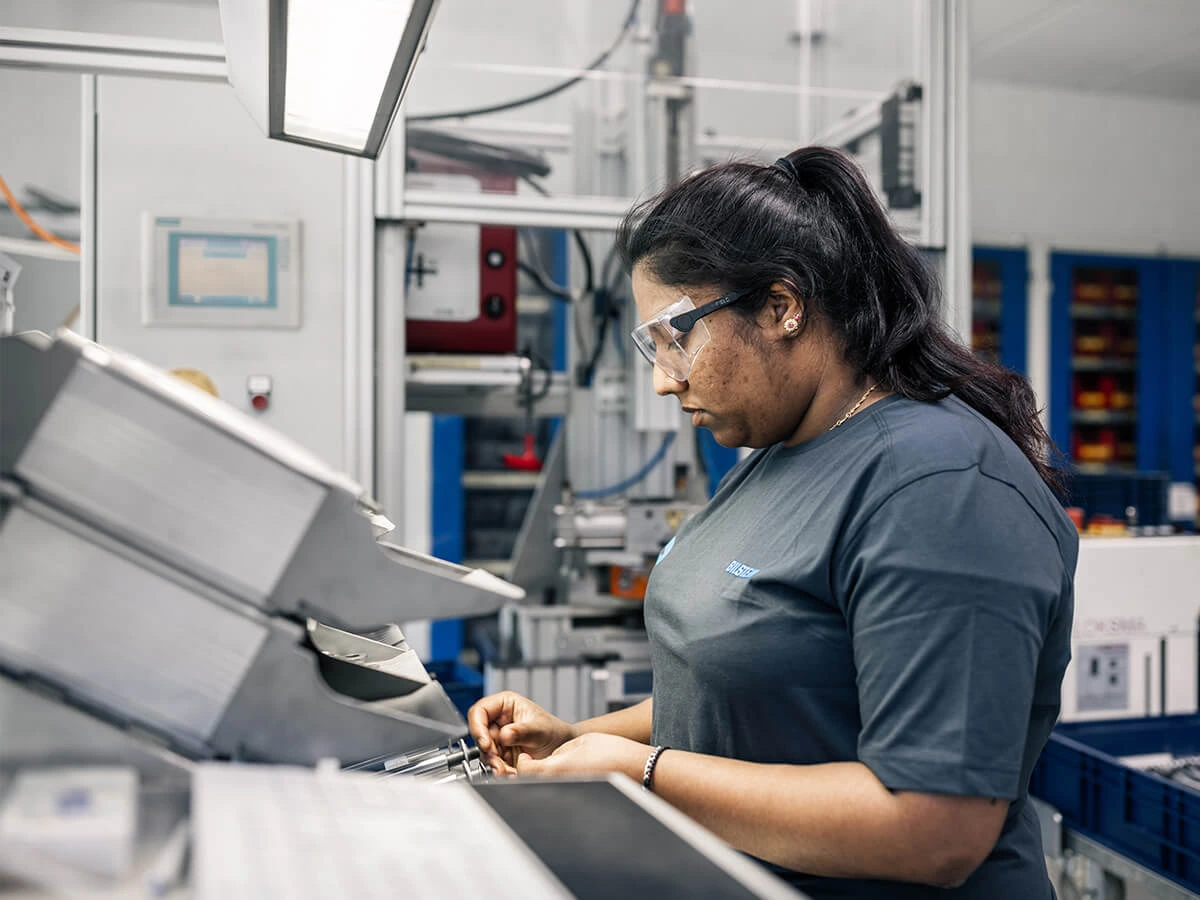
Prototype construction: handcrafted instead of off-the-shelf
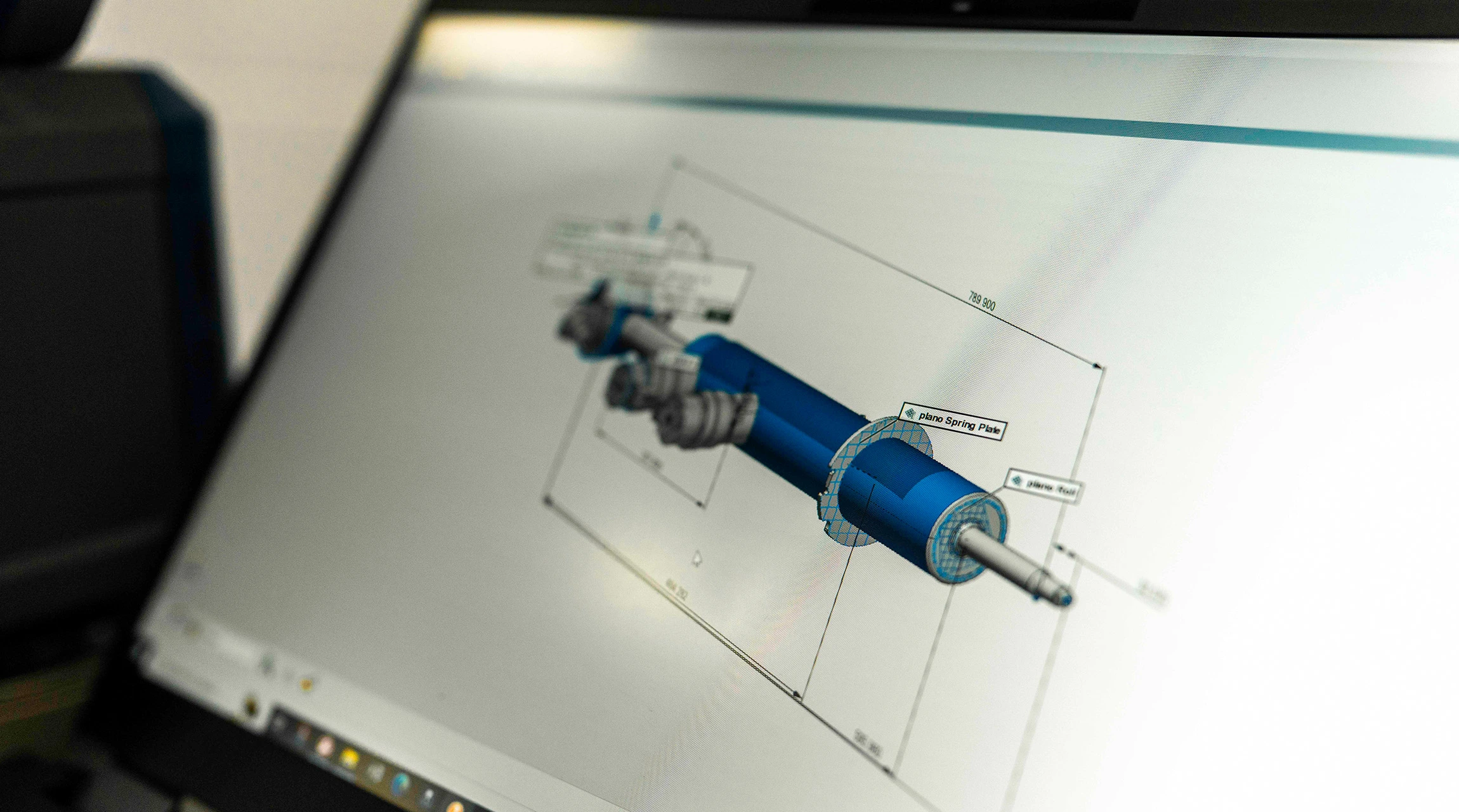
It all starts with the vehicle. It is analysed and measured. Then the actual development work begins.
says Becker ‘Prototype construction does not mean screwing together existing components from stock. Every prototype is a new part.’
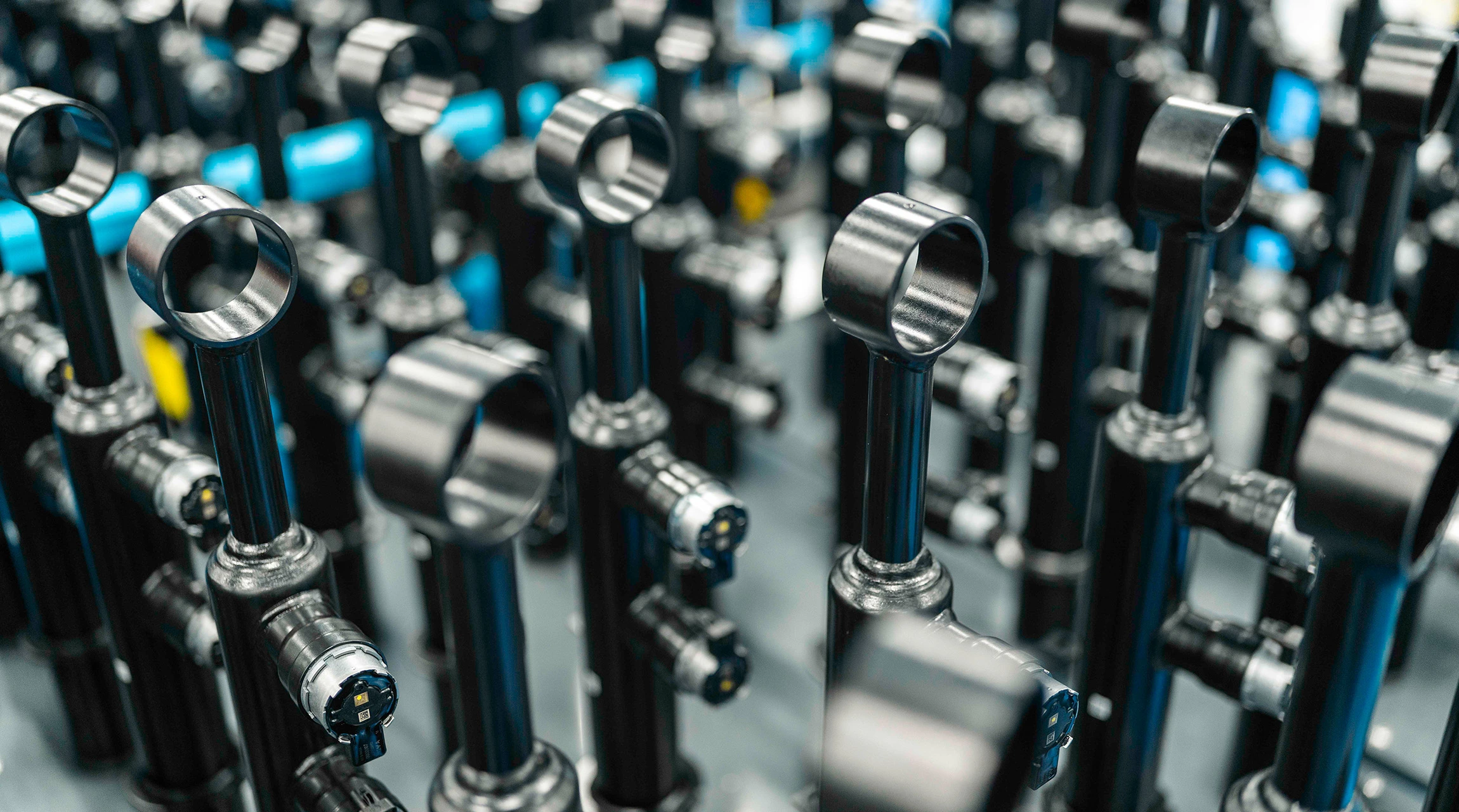
Tubes, piston rods, brackets and mounting parts: components are manufactured individually, some of them by hand. Only when the prototype has been built does the actual validation begin.
Road testing as a quality benchmark
Road testing is a crucial part of this process. ‘Road testing is absolutely central to product development in the BILSTEIN aftermarket sector,’ says Becker. Here, the settings are not discussed theoretically, but actually ‘driven out’ – by experienced test drivers and technicians. Prototypes are installed in the vehicles, removed again, dismantled, adjusted and tested once more. Characteristic curves are changed, damping characteristics fine-tuned and variants directly compared with each other.
It’s not just about the driving experience. Repeated installation and removal also optimises fit, connection and assembly properties. ‘We install and remove the parts several times,’ says Becker, describing the process. ‘In doing so, we not only check the tuning, but also how cleanly everything fits and can be assembled.’ Only when both aspects – driving behaviour and technical integration – are satisfactory is an application considered approved.

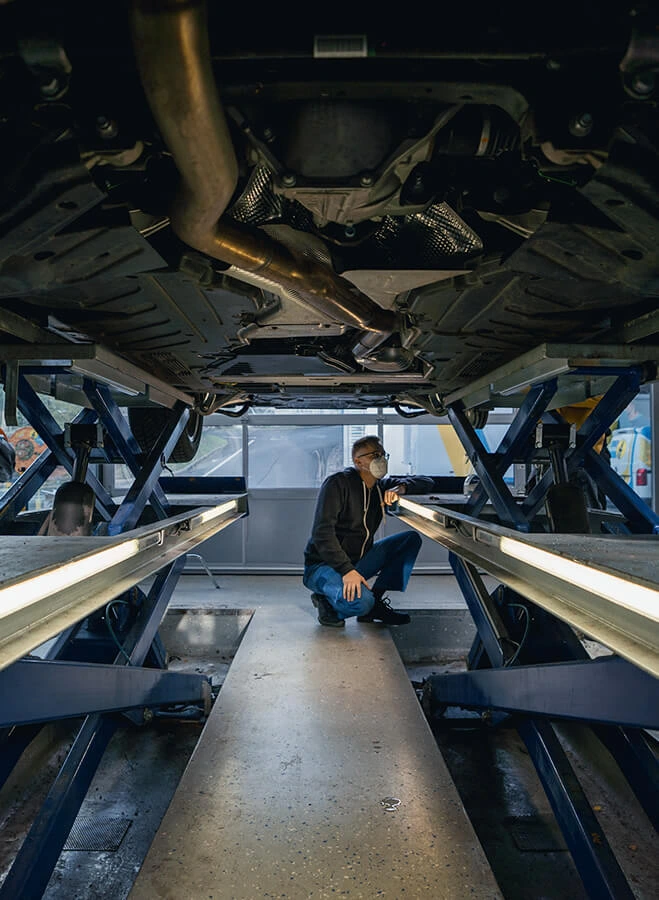
Handling and technical integration must be perfectly matched
The tuning process itself is much more than just a mathematical exercise. ‘Tuning is really about experience,’ says Becker. ‘It’s all about feel.’ At the same time, it’s not just about subjective impressions. Objective measurement methods, such as those based on the VDA standard, provide additional assurance of the results. Subjective perception and objective data complement each other systematically here.
It takes two to three years before an employee in road testing or a developer can truly tune a suspension with confidence. This experiential knowledge is an essential component of product quality – and cannot be accelerated or replaced.
‘I don’t know of any comparable competitor who puts in this kind of effort.’
The effort involved is huge – both organisationally and financially. ‘I don’t know of any comparable competitor who puts this much effort into road testing.’ For Becker, it is therefore clear that development cannot take place solely at a desk. ‘I don’t want pure desk jockeys. Our developers have to stand under the vehicle and understand what they are doing.’
OE experience as a foundation
A crucial advantage: access to original equipment expertise. Many components used in the aftermarket have previously been tested in the OE sector according to the strict specifications of automobile manufacturers. Working pistons, sealing packages, coating technologies – they have already undergone demanding longevity and stress tests.
explains Becker ‘We use components that have been tested in OE according to customer specifications. We work closely with our colleagues and component managers from the original equipment sector.’
This experience flows directly into aftermarket development. Added to this are clear OE guidelines and factory standards, which are also applied in the aftermarket. At BILSTEIN, aftermarket does not mean simplified standards – it means transferred experience.
Own standards instead of external specifications
While in the OE business, car manufacturers specify specifications and test requirements, these specifications do not exist in the same form in the aftermarket. ‘We have to create our own standards,’ says Becker.
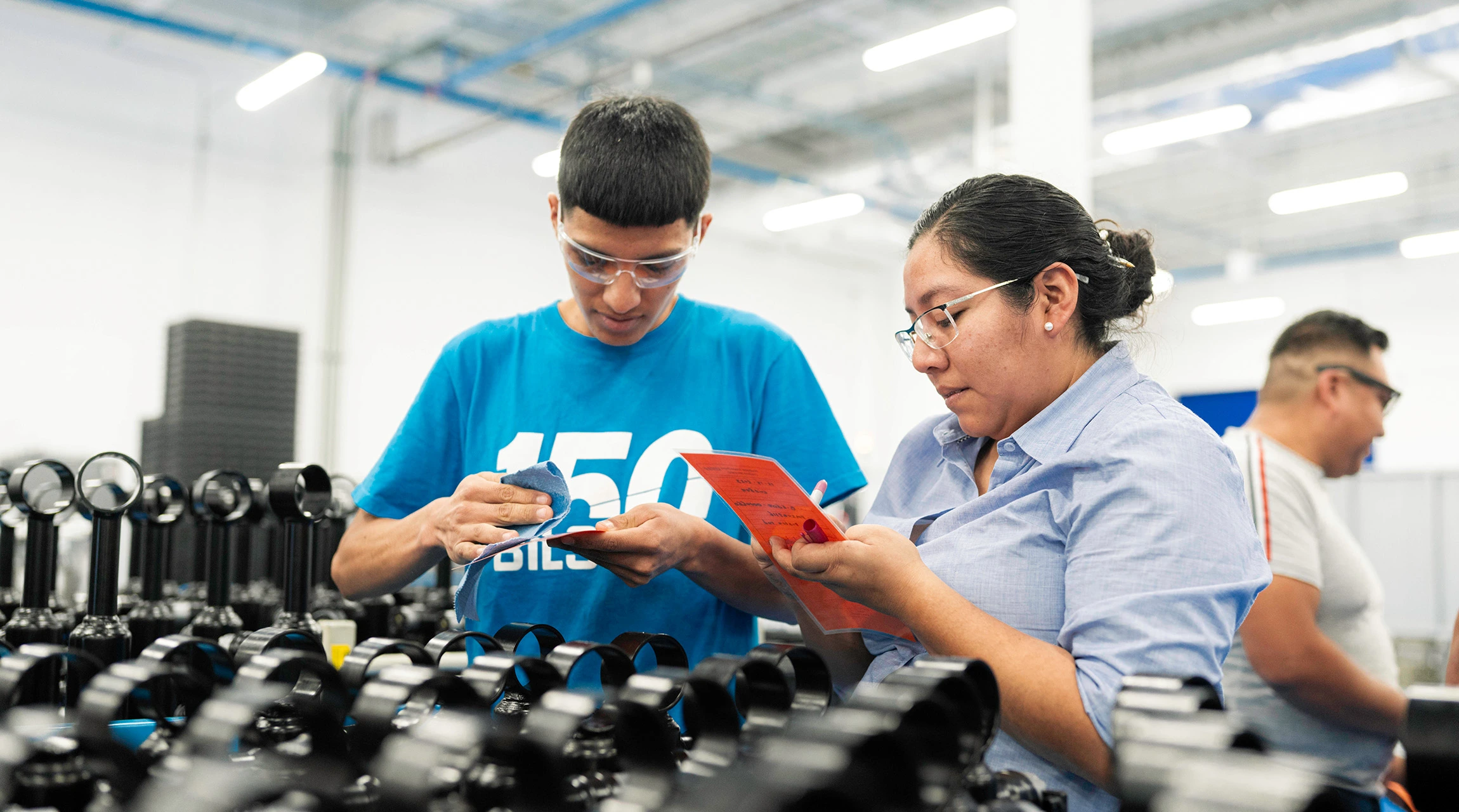
Endurance tests, validation concepts and test strategies are defined and implemented internally. The aim is to systematically validate products, not only in terms of functionality, but also in terms of durability and corrosion resistance.
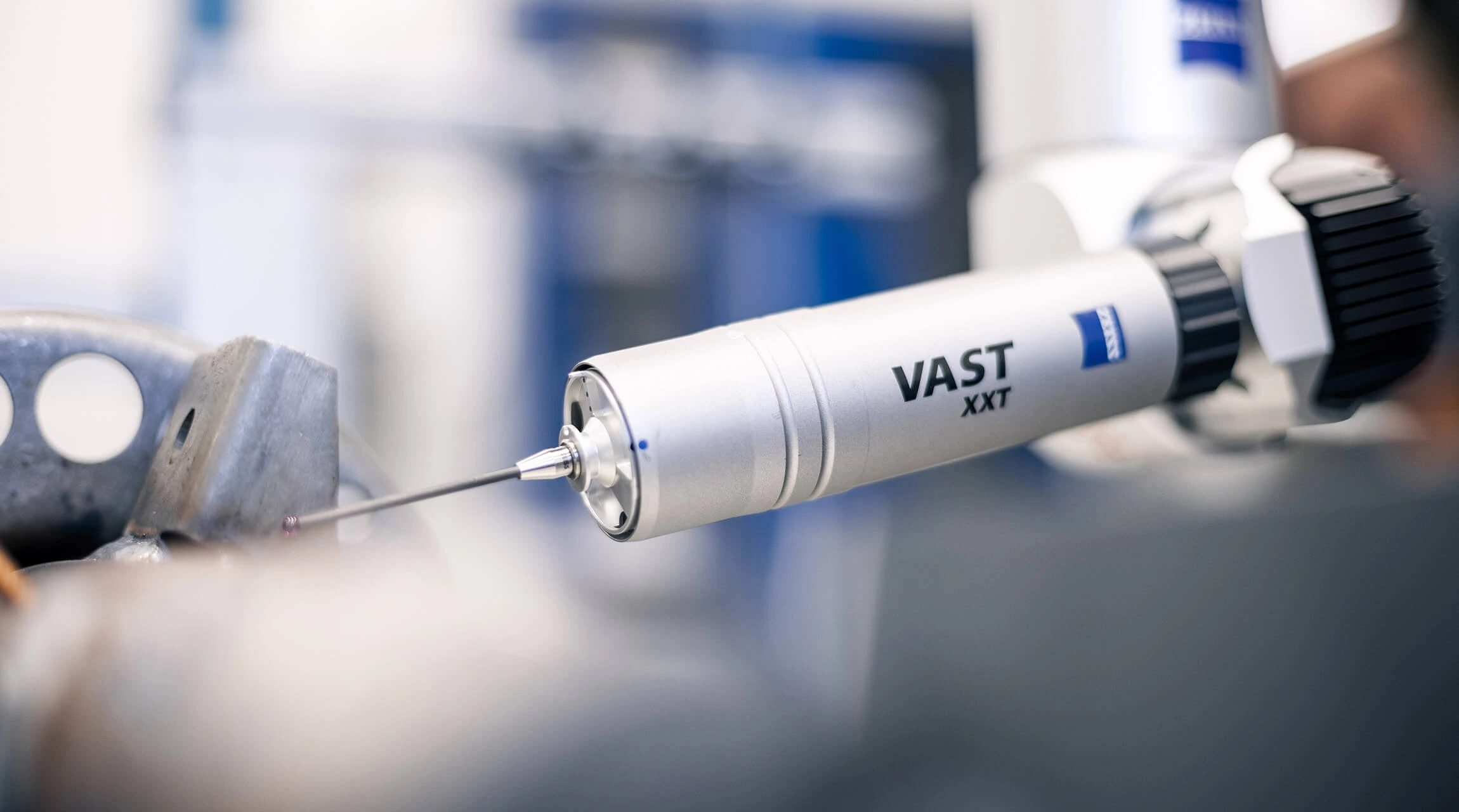
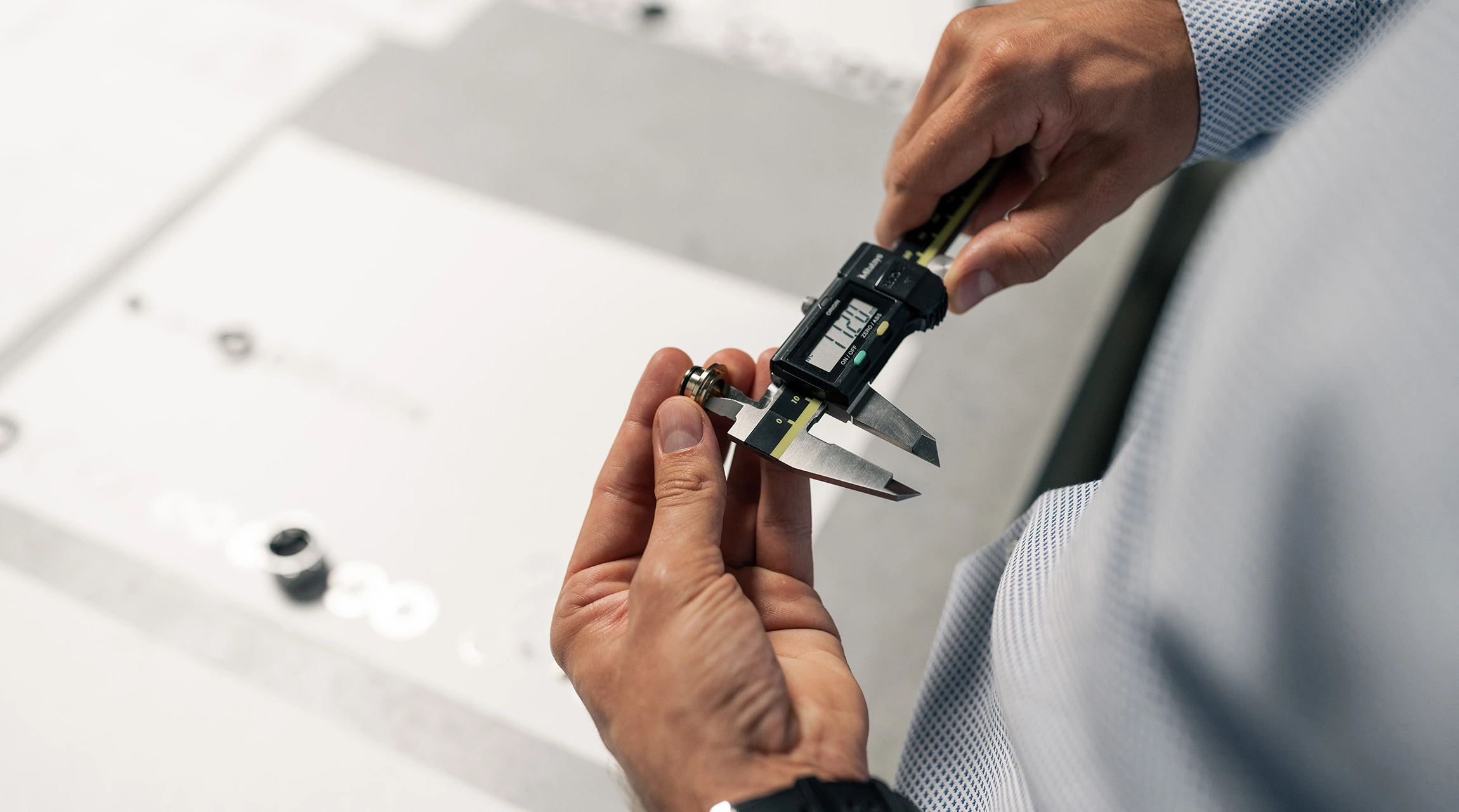
Coating, endurance testing, requalification
One example is coating testing. Shock absorbers are components that are subject to high stress. Corrosion, temperature fluctuations and mechanical loads place high demands on them.
That is why BILSTEIN carries out salt spray tests, thermal shock tests and coating thickness checks. Suppliers are regularly requalified. Processes are reviewed. ‘We don’t just test once and then consider the matter closed,’ says Becker. ‘Quality is not a one-off approval step. It is a continuous process.’
No catalogue business
While many competitors simply purchase components and compile a range from them, a catalogue entry at BILSTEIN is not a range decision. It is the result of an intensive development process at OE level.
Our cutting-edge valve technologies and damping systems – from active to passive – guarantee unrivaled top performance and reliability. We bring premium OE quality to the aftermarket, making testing easier and ensuring your success every day.
Discover the technology